Search Episodes
Search for podcast episodes by title, guest, or topic.
Why Mokaki Foods' Founder Thinks 'Clean Label' Is a Myth
Hardika Kohli, Founder of Mokaki Foods, breaks down why 'clean label' has no legal meaning in India, why a saturated sauce market is actually an opportunity, and what it really takes to get a new D2C food brand onto Blinkit and Amazon.
Turn any sauce bottle around and read the ingredient list. Chances are you'll hit a word you can't pronounce and immediately assume it's bad for you. That instinct, according to Hardika Kohli, is exactly the kind of misinformation she's trying to fix.
Kohli is the founder of Mokaki Foods, a D2C sauce brand built on a simple bet: better ingredients without compromising on taste. She's not doing this full-time either, at least not yet. For the past 9 to 10 months, she's been building the brand after hours while holding down a full-time corporate job, turning her weekends into factory visits instead of brunch plans.
What makes her story interesting isn't just the hustle. It's her refusal to play into the clean label marketing wave that's swept through Indian D2C food. She's blunt about the fact that "clean label" has no legal definition in India, that most brands using the term are doing it purely for marketing, and that even the healthiest-looking products still rely on processed ingredients somewhere in the chain.
In this conversation, Kohli talks about why she chose to launch in an already crowded sauce category, what she's learned about food as an "entire ecosystem" rather than just a recipe, and what it actually takes for a new brand to get onto Blinkit's shelves and stay there.
Key Takeaways: Building Honestly in a Skeptical Market
On Starting in a Crowded Category:
- A saturated market isn't a red flag, it's validation that customers already want the category
- The opportunity for new brands isn't creating demand, it's building a better option within existing demand
- Mokaki's philosophy: "we are not trying to reinvent ketchup, we are trying to improve what people are already consuming"
On the Clean Label Myth:
- There is no legal definition of "clean label" in India, most brands use it purely as a marketing term
- Even core ingredients like vinegar and protein powders are processed, so a truly "clean label" claim rarely holds up
- The real question isn't "why does this have preservatives," it's "is it being used responsibly, within regulatory limits"
On Getting Onto Quick Commerce:
- Blinkit works in stages: brands start in specific cities and dark stores before earning nationwide discovery
- It can take two to three years of consistent work before a brand sees a positive ROI on the platform
- Getting listed is the easy part, staying on the shelf through consistent product quality is the real challenge
Q: Take us back to the day you decided to build Mokaki Foods.
Hardika Kohli: I don't think there was one dramatic day where I woke up and was like, let's start a food company. It actually started with a little bit of curiosity. In my category, I've seen there are two extremes. Either products are marketed as completely healthy but they don't taste indulgent, which is what a sauce category is meant to be. Or there are products that do taste like sauces, but the ingredients are questionable if you think about consuming them daily.
I always questioned why there was this either-or situation, and that curiosity turned into research. One day, that internal itch to start something just kicked in, so I started talking to a lot of food technologists, manufacturers, regulatory experts. Before I knew it, my weekends turned into factory visits rather than brunch plans. Even today I still work full-time as a corporate employee while building Mokaki Foods after hours. That's the current situation.
🔥 ChaiNet's Hot Take: Most founders wait for a lightning bolt moment. Kohli's origin story is proof that curiosity, followed consistently for months, does the same job.
Q: Sauces are a crowded market. Why start there, and how do you plan to stand out?
Hardika Kohli: People have often asked me this question and it kind of makes sense, the category is already very saturated. But one perspective is that if a category is already saturated, it means customers have validated the product. The opportunity for any new age brand is not to create demand, it's to build a better option.
Even at Mokaki, our philosophy is very simple: better ingredients without compromising on taste. We're not trying to reinvent ketchup, we're trying to improve what people are already consuming on a practically daily basis. For example, one of our SKUs is jaggery ketchup, where we use jaggery instead of refined sugar and replace ingredients like artificial colors, flavors, and palm oil where it makes sense. But we still focus on making food that people actually crave, and keeping it shelf stable, because supply chain issues affect every brand in India, new age or vintage.
If customers have accepted protein chips, protein chocolates, and better beverages, I feel like sauces deserve that evolution too. Crowded markets don't scare us. They validate that people already love the category. There's just a gap to make better options available.
🔥 ChaiNet's Hot Take: "Crowded" and "unsolved" aren't the same thing. Kohli's read on the sauce category is a reminder that market saturation often just means nobody's built the better version yet.
Q: Packaged food is going through a trust shift right now, with people calling out brands for what's actually inside their products. What's the top misconception people have about ingredients?
Hardika Kohli: Social media has made people believe that every ingredient you cannot pronounce is automatically harmful, and that's not true. I'll tell you straight, clean label as a term is a myth. There is literally no legal definition of clean label in India. I'm not from a food science background, but I've worked with people who've been in this space for years from a scientific perspective, and most brands are using it purely as a marketing term because customers don't actually know what clean label means.
There are ingredients that exist purely for food safety and product stability, especially in a country like India because of supply chain realities. The real question a customer should ask isn't "why does this product have preservatives or stabilizers," it's "why is it here, and is it being used responsibly." There's already a food regulatory body in India that sets usage limits, because they understand the impact these ingredients have on a product.
🔥 ChaiNet's Hot Take: "I can't pronounce it" is not a food safety test. Kohli's pushing customers toward a better question: is it regulated, and is it used within limits.
Q: Even a fresh apple gets scrutinized now. Is that scrutiny a good thing?
Hardika Kohli: It's the right question, I don't have a problem with it, because even I'm from that side. I still will be, and that's what I'll teach my kids too. The problem isn't food science, it's misinformation, and social media is conspiring to spread a bit of that. I wouldn't want to rage bait people listening to this. But I still feel like founders have a responsibility to educate customers instead of creating unnecessary fear.
🔥 ChaiNet's Hot Take: Founders in food are quietly becoming educators whether they signed up for it or not. Kohli treats that responsibility as part of the job, not a PR add-on.
Q: What about protein-heavy products? People seem to give them a pass just because of the protein count.
Hardika Kohli: Even when you mention protein, it's become such a crazy wave across the world, but people consuming protein-packed packaged products get so caught up in "I'm getting 20 grams of protein, 25 grams of protein" that they don't question anything else. Speaking from a manufacturer's perspective, even the "clean label" sauces on the market still use processed ingredients like vinegar or protein powders. If something is processed, it isn't clean label by definition. So if your core ingredient itself isn't clean label, there's no point pretending the whole product is. This is a fact: there are brands getting bashed by regulatory bodies right now for exactly these kinds of claims.
🔥 ChaiNet's Hot Take: A protein number on the front of the pack is a headline, not the whole story. The back of the label is where the real reporting happens.
Q: So what should a consumer actually check before buying a product?
Hardika Kohli: The back of the bottle tells you the truth, the front is only for marketing and branding. Ignore the front pack for a minute and turn the bottle around. Read the ingredient list, ingredients are always listed in descending order by quantity. If your starting ingredients don't align with what you're looking for, you already have your answer. Don't buy a product just because people are saying it's healthy or that there's nothing inorganic in it. Understand what's actually inside and the impact it's creating, that's always been my priority.
🔥 ChaiNet's Hot Take: Descending order by quantity is the cheat code nobody talks about. Whatever's listed first is what you're actually eating the most of.
Q: A lot of people now snap a photo of ingredients and send it to an AI chatbot for a verdict. Is that a fair strategy?
Hardika Kohli: I think that's fair, honestly that's what I also do.
🔥 ChaiNet's Hot Take: Even the founder is outsourcing label-reading to AI. That's less a shortcut and more a sign of how confusing packaging has become for everyone, insiders included.
Q: You're working full time and building your own brand. What's been the hardest problem to solve so far?
Hardika Kohli: It's roughly been 9 to 10 months since I started working on the brand and the product. Initially I thought developing the recipe would be the hardest part, but it turned out not to be. The hardest part has been learning that food is an entire ecosystem. It's not just the core recipe, it's the packaging material, shelf life conditions, how it's manufactured, the hygiene parameters in manufacturing, how it's handled logistically. Everything affects your product.
I didn't just make a product, I had to build an SOP that has to be followed across every production run. Your product's credibility lies in the hands of the people making it, packaging it, and doing the last mile delivery to the customer. There's no YouTube tutorial or ChatGPT prompt that can tell you the nitty-gritties, you have to get on the ground and into the execution yourself. I've spoken to a lot of manufacturers, changed packaging multiple times, and learned through trial and error. That's part of why I'm documenting my journey on Instagram, so the next founder has it a little easier or at least knows who to reach out to.
Building a food brand isn't one problem. It's literally 100 problems every single day that you have to face as a founder.
🔥 ChaiNet's Hot Take: The recipe is the easy 10%. The other 90% is logistics, hygiene protocols, and packaging that survives a delivery bike, the unglamorous stuff nobody puts on a pitch deck.
Q: A hundred problems a day sounds like the founder job description in general.
Hardika Kohli: Absolutely. Being a founder means every morning you're bombarded with a hundred problems, and you need to first prioritize which ones are worth solving today, and then move and get them done.
🔥 ChaiNet's Hot Take: Founders don't get fewer problems as they scale, they just get better at triage.
Q: Instead of launching a website first, you went straight to Amazon and Blinkit. What does it take for a new brand to get listed?
Hardika Kohli: The process is different for both platforms. Blinkit in particular is what I'm more aware about, so I'll speak to that. It has its own onboarding process, either you get in touch with Blinkit's team directly, or you work with an agency that helps new age founders get onboarded and scale a bit. As a founder, you also have to accept that Blinkit isn't a revenue model, it's a marketing model even for big brands today. The only way to see ROI is to scale, and that happens over two to three years working with Blinkit.
Before your first order, you need a compliant product with full-fledged shelf life testing and a report to back it up. You also need packaging that survives the shipment, because it's not like standard e-commerce where you control the last mile delivery yourself, you're dependent on the platform. From a business registration perspective, you need GST, food license, product photos, and a pricing strategy, because these platforms charge a lot for your product.
Then there's inventory planning. Blinkit has levels, level one is where they launch your product in a specific city and a few dark stores, and they track whether it's selling. You have to pass those levels to reach nationwide dark store discovery. It takes time and ongoing monthly investment. Honestly, the real challenge isn't the listing part, it's staying on the shelves, because customers only reorder if the product delivers consistently. Quick commerce has made discovery easier, but retention always comes down to product quality.
🔥 ChaiNet's Hot Take: Getting onto Blinkit is a two to three year marketing spend disguised as a sales channel. Anyone expecting immediate revenue from quick commerce is solving the wrong problem.
Q: If Mokaki Foods succeeds the way you want it to in five years, what does it look like?
Hardika Kohli: Five years from now, I don't want people to recognize us just from our logo or brand name. I want us to be a default choice whenever it comes to consuming sauces daily. I also hope we've helped make ingredient transparency normal, if customers start asking more questions about what's inside their food because of conversations like this one, that's a win in itself.
Commercially, I'd like to see Mokaki across online platforms, quick commerce, supermarkets, and restaurants, but also crack physical distribution, because until food as a category cracks physical distribution, you're not really a household name. Beyond revenue, I want to build trust and be an internet-first brand, one where people become part of a community and buying the sauces becomes a byproduct of it. Once we build that community and engagement, and people resonate with the value we're bringing, that automatically turns into conversion and compounds over time.
🔥 ChaiNet's Hot Take: Kohli isn't chasing brand recall, she's chasing brand default. That's a much harder, much more durable goal.
Final Thoughts: The Case for Honest Labels
Hardika's closing perspective: "The problem is not food science. It's the misinformation which is the problem."
The bottom line: Kohli's approach to Mokaki Foods cuts against two dominant D2C food playbooks at once. She's not chasing an empty "clean label" claim, and she's not scared off by a saturated market. Instead, she's betting that customers, once educated, will reward brands that are honest about what's in the bottle and why.
That bet plays out in the practical choices she's made, jaggery instead of refined sugar, ingredient swaps that make sense rather than ones that just sound good on Instagram, and a willingness to admit that even her own products use processed ingredients. It's a less flashy pitch than "100% clean," but it's a more defensible one.
The bigger lesson for anyone building in India's D2C food space might be the one about quick commerce. Two to three years before ROI, staged rollouts city by city, packaging that has to survive a delivery bike ride, this is not the overnight virality story most founders imagine when they hear "quick commerce." It's slow, operational, unglamorous work, and Kohli's betting that showing up consistently for it is what actually builds a household name.
Q: How can people connect with you and follow the Mokaki Foods journey?
Hardika Kohli: I'm documenting my journey building Mokaki Foods on Instagram, from factory visits to packaging trial and error, so that the next founder has it a little easier or at least knows who to reach out to. Follow along there for the real, unfiltered version of building a food brand in India.
Final words: The next time you pick up a sauce bottle, skip the front of the pack and read the back. Ask not why an ingredient is there, but whether it's being used responsibly. That single habit, more than any clean label sticker, is what Hardika Kohli is betting the future of Mokaki Foods on.
Related Shorts
Explore short-form videos that expand on the ideas covered in this blog.
Similar Episodes
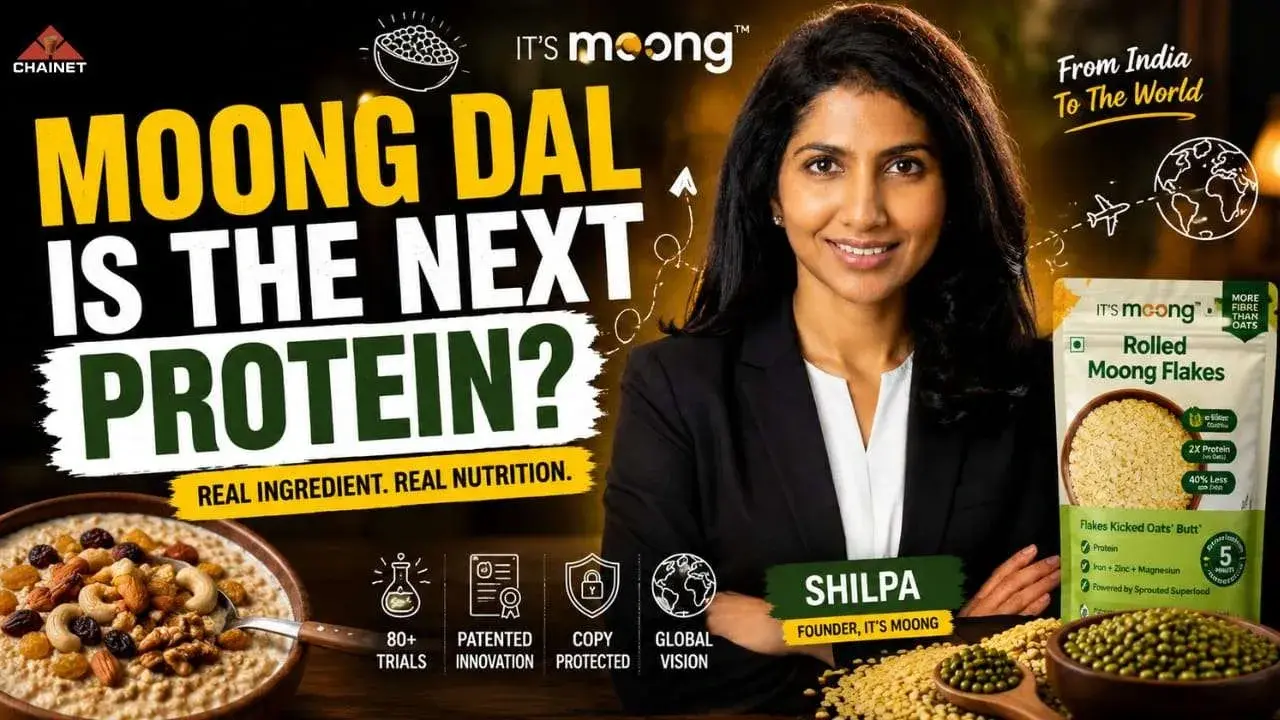
From Jewelry to Moong Protein: How Shilpa Rathi Is Turning India's Humble Dal Into a Patent-Pending Global Brand
Shilpa Rathi, founder of Its Moong, talks about ditching the crowded protein powder race, patenting a moong-based innovation after 70-80 failed trials, and why the West is finally waking up to mung bean protein.
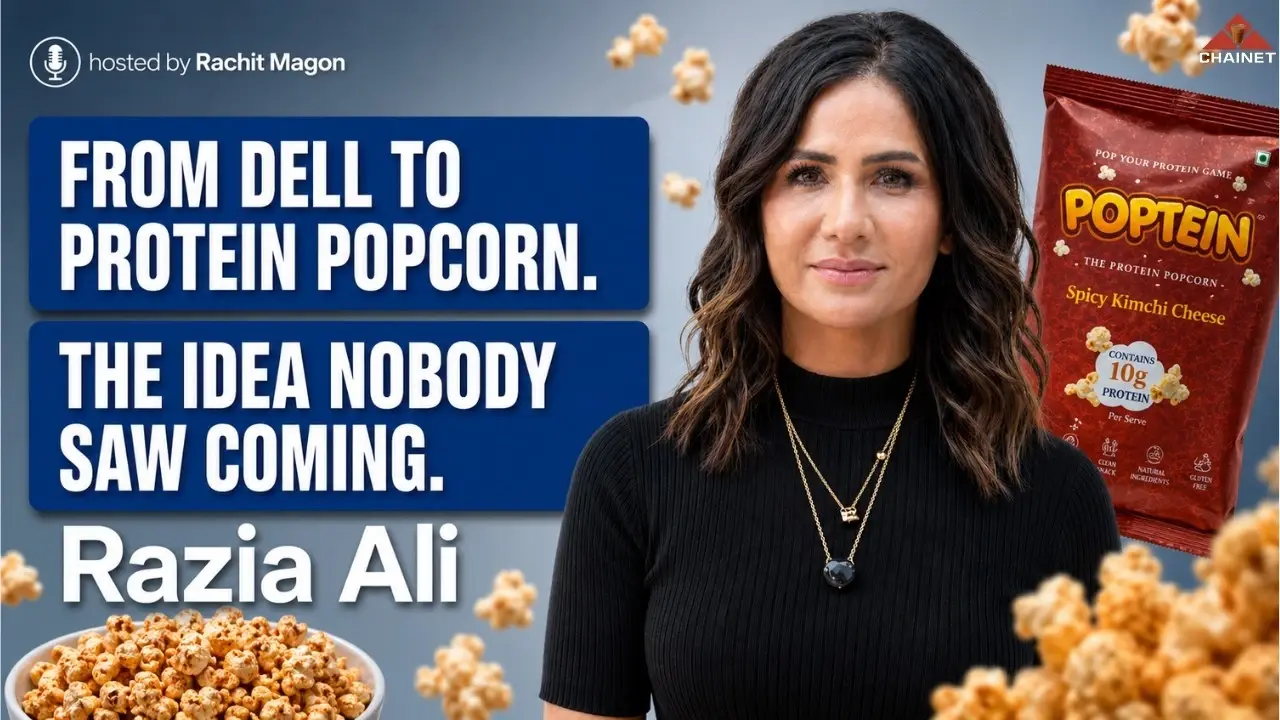
How This Founder Is Bootstrapping a Protein Popcorn Brand in India - Razia Ali, Poptien
Razia Ali spent 19 years building marketing for Dell, AMD, HP and Yahoo. Then she walked away to bootstrap Poptien, India's first whey-free protein popcorn. She talks about why she rejected protein bars, how she set up her own manufacturing line, the reality of getting onto Blinkit and Instamart, and what 90 days of pop-up product testing actually looks like.
From Being a Showrunner to Pitching to Sharks - Jigar Mehta, HoneyTwigs
Jigar Mehta spent 3 years running 250 performances at Kingdom of Dreams, quit to start a honey brand, and got all five Shark Tank India sharks to make offers. He talks about cold calling Vistara, perfecting machinery from scratch, plastic neutrality, and why single-serve honey is just getting started.
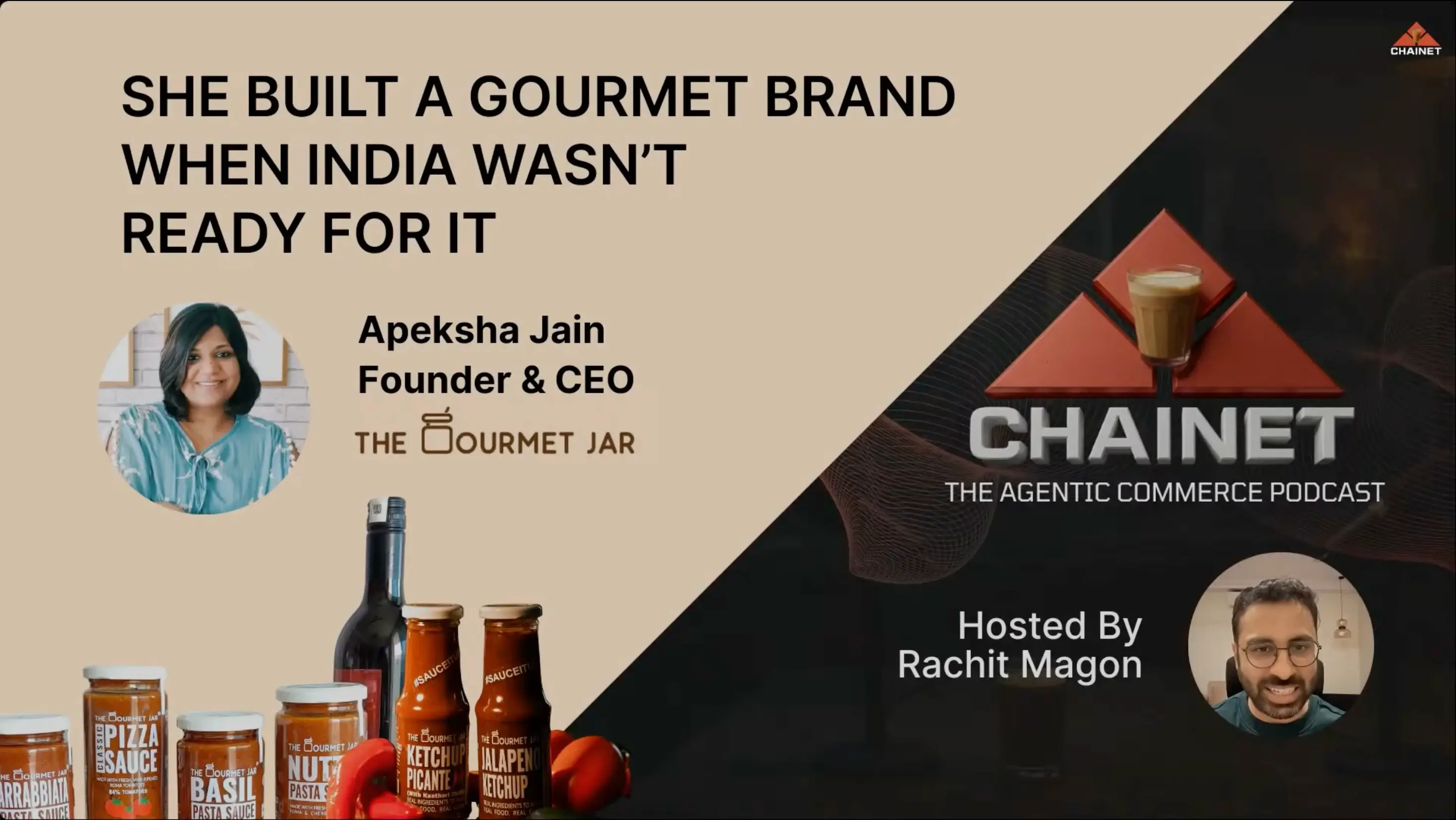
She Built a Gourmet Brand When India Wasn't Ready for One
Apeksha Jain started The Gourmet Jar by accident after her husband brought home a pasta maker from Italy. 12 years later, she's done 60 crores in lifetime sales on just 2 crores of total funding. The journey wasn't glamorous - it was painfully slow.